What Happened
Marketing campaigns can move faster than the operating readiness behind them. A landing page may promise a simple package, a promotion may imply quick turnaround, or a webinar follow-up may create demand before sales and service have the right guidance. The work is usually important, but it is also easy to lose inside normal business noise. A request arrives, a record is updated, a note is added, and everyone assumes the next step is obvious. The problem is that the next step is often obvious only to the person who last touched the work. When volume rises or priorities shift, the process begins to depend on memory, informal follow-up, and whoever has enough time to chase details.
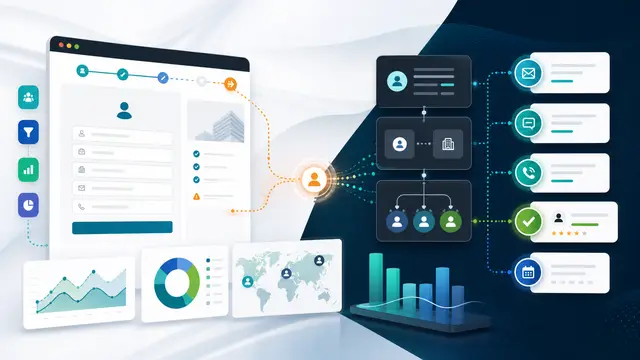
AI and automation create value by turning campaign promises, enablement gaps, lead routing needs, service knowledge readiness, and launch dependencies into a structured operating workflow. The point is not to replace the people who understand the business. The point is to assemble the context they need before a decision is due. A good workflow reads the source record, summarizes the important evidence, highlights missing information, recommends the next action, and records what happened after a person acts.
In many companies, marketing, sales, service, and operations teams already knows the pain. They can name the recurring exceptions, the delayed handoffs, the repeated questions, and the small misses that later become customer-visible issues. What they often lack is a consistent way to detect those patterns early. AI helps by reviewing larger volumes of operational detail than a person can reasonably scan each morning, while automation makes sure the output lands in the tools where work is managed.
This shift changes the operating rhythm. Instead of reviewing everything with the same level of urgency, the team sees a ranked queue with reasons. Instead of sending generic reminders, the workflow drafts precise requests for the missing evidence. Instead of waiting for a weekly meeting to discover trouble, managers can see which items need intervention today. The result is not a flashy AI project. It is a practical system for making routine work more reliable.
The most useful designs are narrow at first. They focus on one workflow, one class of decisions, and one measurable problem. That keeps the automation close to the business outcome. It also helps employees trust the system because they can compare the recommendation against familiar work rather than a broad promise that AI will improve everything at once.
Why It Matters for Businesses
The business case starts with the cost of delay. When a campaign launches before the business can consistently deliver the promise is discovered late, the company pays through rework, manual escalation, missed commitments, frustrated employees, or weaker customer confidence. These costs may not appear as one budget line, but they show up in overtime, expediting, write-offs, churn risk, and leadership attention consumed by preventable issues.
A workflow like this also protects capacity. Skilled employees should not spend their best hours searching across emails, spreadsheets, portals, notes, and chat threads just to understand what needs to happen next. AI can gather and summarize that context. Automation can route it. People can then use judgment where judgment actually matters: approving exceptions, negotiating tradeoffs, contacting customers, or improving the underlying process.
The value is measurable if the company defines the right operating metrics. Useful measures include queue volume, age of unresolved items, percentage of records missing required evidence, cycle time by category, escalation rate, avoidable rework, and the number of issues resolved before they affected a customer commitment. These measures are more useful than generic AI adoption counts because they connect the workflow to business performance.
There is also a visibility benefit. Leaders often hear about problems only after a team is already overloaded. A structured workflow shows demand earlier. It can reveal which categories are growing, which locations or suppliers or teams need more support, which policies create confusion, and which handoffs break most often. That information helps leaders improve the system instead of simply asking people to work harder.
For customer-facing teams, consistency matters. Customers notice when one person gives a different answer than another, when a promise changes without explanation, or when a simple step requires multiple follow-ups. AI-assisted workflows can standardize the preparation behind those interactions. The customer still deals with people, but those people have cleaner evidence, clearer ownership, and a better view of risk.
Governance is another reason to take this seriously. Automation without controls can create fast mistakes. The workflow should record source data, recommended actions, human approvals, exception reasons, and final outcomes. That audit trail helps the business understand why decisions were made and gives managers a way to improve rules over time. It also prevents AI from becoming an invisible black box inside daily operations.
Small and midsize businesses benefit because they rarely have extra administrative layers. A focused AI workflow can give them the discipline of a larger operating model without adding unnecessary meetings. The technology does not need to be complex. It needs to be connected to the way the team already works and measured against a practical business problem.
The Practical Automation Opportunity
Start by defining the decision the workflow should improve. For align marketing campaign promises with sales and service readiness using ai, the decision is not simply whether something exists in a system. The decision is what deserves attention, who owns it, what evidence is missing, and what action should happen next. That clarity keeps the project from becoming another passive dashboard.
The data sources should be limited to the records that carry real context. For this workflow, likely sources include campaign briefs, landing page drafts, CRM routing rules, offer terms, sales scripts, service knowledge articles, onboarding requirements, capacity plans, and historical customer questions. If the team cannot explain how a field will change the priority or next action, do not include it in the first version. Extra data can make a pilot slower without making it smarter.
A practical first version can follow this pattern:
- Pull the relevant records on a fixed schedule or when a new item arrives.
- Use AI to summarize the item, classify the request or risk, and identify missing details.
- Apply business rules for urgency, ownership, customer impact, financial exposure, and compliance sensitivity.
- Create or update a task in the system where the responsible team already works.
- Draft a concise follow-up message or internal note with the exact evidence needed.
- Log the action taken, the owner, the outcome, and the reason for any exception.
- Review weekly results and tune the categories, thresholds, and routing rules.
Human review should be designed into the workflow from the beginning. AI can recommend that an item is urgent, incomplete, duplicated, or ready for the next stage, but the responsible owner should confirm actions that affect customers, money, compliance, access, or contractual commitments. That boundary builds trust and reduces risk.
The workflow should also ask for missing information before routing when possible. A request with incomplete details should not bounce between teams for days. AI can detect that the required field, attachment, date, account name, or business reason is missing, then automation can ask the requester for exactly what is needed. This is one of the fastest ways to reduce cycle time without changing the core system.
After the first month, compare the workflow against real outcomes. Which alerts were useful? Which categories produced noise? Which teams acted quickly? Which items still required manual rescue? This review turns the automation into a learning system. It also gives leaders evidence for whether to expand the workflow, simplify a policy, improve training, or adjust staffing.
Do not bury the result in a standalone AI interface if the team lives somewhere else. If work is managed in a CRM, service desk, ERP queue, shared task board, or operations inbox, send the recommendation there. Adoption improves when the workflow reduces steps instead of adding a new place to check.
Security and permissions matter. The workflow should only use data that the process is allowed to use, and summaries should not expose sensitive information to people who would not normally see it. Role-based access, logging, and retention rules should be part of the design even for a small pilot. Practical AI is still business software, and business software needs controls.
Business Takeaway
The opportunity is to make campaign promises, enablement gaps, lead routing needs, service knowledge readiness, and launch dependencies visible before it becomes expensive. AI is useful here because it can read the surrounding context, identify patterns, and prepare the next action faster than a manual review. Automation is useful because it moves that action into the daily operating rhythm with ownership and follow-through.
The best next step is a focused pilot. Choose one workflow, define the required evidence, agree on the priority rules, and measure whether the queue reduces delay, rework, and avoidable escalation. If the pilot helps marketing, sales, service, and operations teams make better decisions with less chasing, then expand the model to adjacent processes.
AI and automation do not need to transform the whole company at once to produce ROI. They need to remove a recurring source of friction, make decisions easier to trust, and create a record the business can learn from. That is how a practical workflow becomes a durable operating advantage.