Product discontinuation sounds like a catalog decision, but customers experience it as an operating event. A product becomes unavailable, a replacement is suggested, website pages need updates, sales teams need guidance, service teams need answers, inventory needs a wind-down plan, and account managers need to know which customers may be affected. If those steps are handled manually and separately, the business creates avoidable confusion. Customers click on outdated pages, sales reps quote unavailable items, support agents provide inconsistent explanations, and inventory teams discover demand after the replacement path should already have been clear.
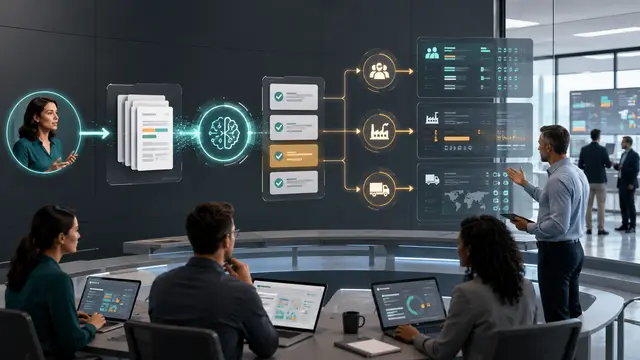
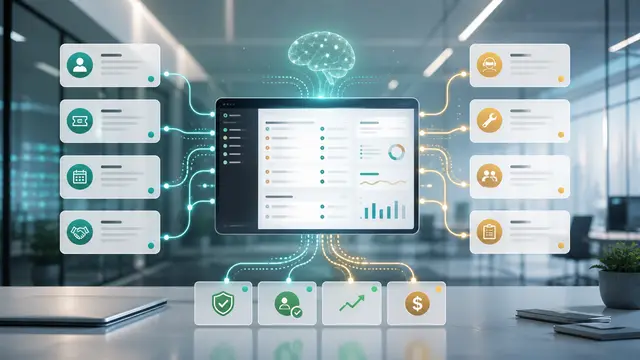
An AI product discontinuation readiness workflow helps coordinate the transition before customers hit dead ends. It connects product records, inventory data, website content, CRM activity, support tickets, replacement options, customer history, and communication tasks into one controlled process. The purpose is not to let AI decide which products should be discontinued. That decision belongs to product, finance, operations, and leadership. The purpose is to make sure that once the decision is made, the surrounding business systems move together.
The workflow should begin with a discontinuation intake record. That record includes the product, reason for discontinuation, final order date, inventory status, warranty or service obligations, replacement options, affected customer segments, website pages, sales materials, active quotes, open opportunities, recurring orders, support knowledge articles, and owner assignments. Many businesses already have this information, but it lives in disconnected systems. AI can help gather and classify it so the discontinuation owner sees the full operating footprint.
Website readiness is one of the most visible areas. A discontinued product page should not simply disappear without a plan. Customers may still search for the item, need documentation, compare specifications, or want a recommended alternative. AI can identify pages, related FAQs, internal links, downloadable materials, search terms, and forms that mention the product. The workflow can then create update tasks: add replacement guidance, adjust calls to action, redirect obsolete pages, preserve support documentation, and remove outdated promotional language. This protects search value while reducing customer frustration.
Sales readiness matters because old quotes and active opportunities can keep discontinued products alive in the pipeline. AI can search CRM opportunities, quote records, proposal templates, email snippets, and product bundles for affected items. It can flag deals that need replacement recommendations, pricing review, or customer communication. A sales rep should not discover discontinuation during a customer call. The workflow should provide a clear talk track, approved alternatives, margin guidance, and escalation path before the conversation happens.
Customer service readiness is just as important. Support teams need to know whether the product is unavailable, temporarily constrained, replaced, unsupported, or still covered under warranty. Those differences matter. AI can locate existing support articles, ticket macros, troubleshooting notes, and recurring customer questions tied to the product. It can suggest where content needs updates and where agents need a new response path. The final content should be approved by service leadership and product owners so customers receive consistent answers.
Inventory and fulfillment teams need a practical wind-down plan. A product may have remaining stock, reserved stock, returned units, spare parts, substitute items, or supplier constraints. The workflow can compare discontinuation timing against open orders, reorder points, demand history, and replacement availability. It can flag when a customer notice should wait until replacement inventory is ready or when a final-buy opportunity needs leadership approval. This prevents the company from creating demand it cannot fulfill.
AI can also help identify affected customers. Purchase history, recurring order patterns, service records, warranties, saved carts, and open support cases can reveal who may be surprised by the change. Not every customer needs a direct notice, but key accounts and recent purchasers may deserve proactive communication. The workflow can segment customers by relationship, usage pattern, contract status, and likely replacement need. Account managers can then review the list and decide who should receive outreach.
The replacement recommendation process should be governed carefully. A substitute product may differ in price, compatibility, availability, setup requirements, or support coverage. AI can compare product attributes and summarize likely fit, but product owners should approve recommendation rules. The workflow should show confidence levels and known differences so sales and service teams do not oversell the replacement. A good recommendation prevents confusion only when it is accurate enough to trust.
Metrics should focus on transition quality. Track website pages updated, obsolete links removed, affected opportunities reviewed, customer notices sent, support articles revised, replacement recommendation accuracy, backorders avoided, discontinued item quote attempts, and support tickets related to customer confusion. Also track financial outcomes such as remaining inventory sold, write-offs reduced, replacement conversion, and margin impact. These measures help leaders see whether discontinuation was managed as an operating process or merely announced as a product decision.
The workflow should include checkpoints and deadlines. Before the final sale date, sales guidance should be ready, website content should be reviewed, replacement rules should be approved, and inventory status should be known. Before the final support date, service articles should be updated, warranty obligations should be clear, and customer-facing language should be consistent. After the discontinuation, the system should monitor search logs, support tickets, failed orders, and quote attempts for signs that customers or employees are still hitting outdated paths.
Governance is needed because product changes can affect customer commitments, contracts, warranties, and published claims. The automation should record who approved replacement recommendations, who updated website content, who reviewed customer notices, and which source records were used. That evidence helps if a customer questions the transition later. It also creates a repeatable playbook for the next discontinuation.
Start with one product family or one recurring discontinuation cycle. Build the intake record, map affected systems, generate readiness tasks, validate replacement guidance, and monitor post-launch signals. Keep humans accountable for the final decisions, but let AI do the tedious work of finding references, surfacing affected records, and preparing review packets. The business takeaway is simple: discontinuation is not just removing a product from a list. It is a coordinated customer experience workflow. Companies that manage it proactively can protect trust, reduce internal confusion, and turn a potentially frustrating change into a controlled transition.
The workflow should also account for search and support behavior after the change. Customers may continue searching for the discontinued product months after inventory is gone. Website search logs, failed internal searches, support ticket keywords, chatbot transcripts, and form submissions can reveal where people are still looking for the old item. AI can summarize those signals and recommend additional content, redirects, replacement guidance, or service training. This turns the discontinuation into an ongoing monitored transition instead of a one-time content update.
Sales enablement should include more than a replacement SKU. Reps need to know why the product was discontinued, which customers are likely to ask about it, how the replacement differs, what objections may arise, and when escalation is required. The automation can prepare account-specific briefing notes for active opportunities and recent buyers. For example, a customer with open quotes may need pricing guidance, while a customer with prior service issues may need a more careful explanation. The workflow can create those review packets so sales managers can coach reps before outreach begins.
There is a finance angle as well. Discontinuation can affect margin, discounting, write-offs, warranty reserves, supplier commitments, and revenue timing. AI can help connect remaining inventory, forecasted demand, replacement margin, and customer commitments into a financial readiness view. That view helps leaders decide whether to offer final-buy discounts, preserve stock for key accounts, bundle replacements, or accept a write-off. Without this connection, departments may optimize locally while the business loses value overall.
Procurement and supplier management should be included when replacement availability depends on outside parties. A discontinued product may require substitute sourcing, revised lead times, new minimum order quantities, or updated supplier documentation. AI can scan purchase orders, supplier messages, inventory records, and approved vendor lists to identify readiness gaps. The final decision still belongs to procurement and operations, but the workflow can keep supplier dependencies from being discovered too late.
Customer communication should be segmented and timed carefully. A broad announcement may be unnecessary for casual buyers, but key accounts, repeat purchasers, service contract customers, and customers with open projects may need direct notice. The workflow can draft communication options for review: a proactive account manager note, a website replacement message, a support response, or a renewal conversation prompt. Each version should be approved before use and should avoid promises that inventory or product owners have not confirmed.
The workflow should end with a retrospective. After the discontinuation stabilizes, review what happened: which pages still received traffic, which customers were surprised, which replacements converted, which support questions repeated, which inventory assumptions were wrong, and which readiness tasks were completed late. AI can summarize those lessons into a reusable checklist for future product changes. That feedback loop is where the business matures. Each discontinuation becomes easier because the company preserves what it learned instead of rebuilding the process from memory.
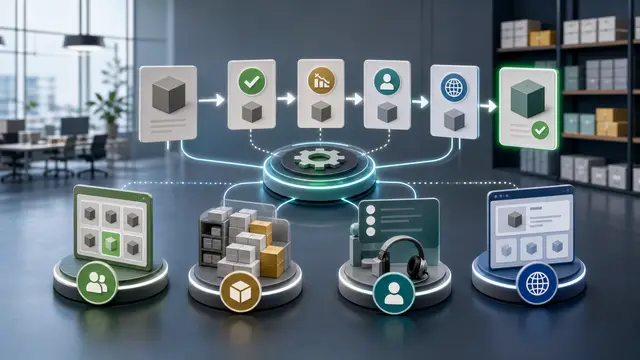
For many companies, the most practical starting point is a readiness board with five columns: product data, customer impact, web and content updates, sales and service enablement, and inventory or finance actions. AI fills the board with draft tasks and evidence links. Owners validate, edit, and complete the tasks. Leadership reviews exceptions before the public change goes live. That simple structure is enough to prevent most dead ends because it forces the business to coordinate around the customer journey.