What Happened
Subscription businesses rarely lose renewal momentum all at once. The warning signs arrive quietly. A power user stops logging in. A team never adopts a feature tied to the original business case. Support tickets rise for one department while executive sponsors assume adoption is healthy. Usage expands in one area but contracts in another. By the time the renewal date appears on a calendar, customer success may be reacting to months of signals that were never connected.
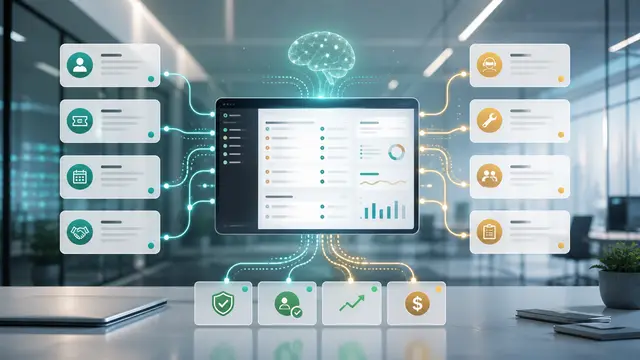
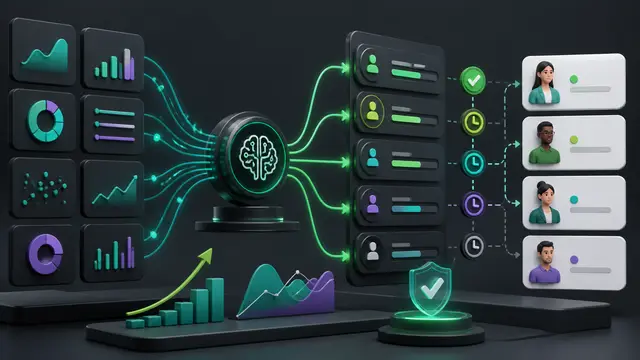
AI can help by turning product usage into an alert workflow that is specific enough for action. The workflow reviews usage patterns, account context, support history, onboarding milestones, contract dates, and customer goals. It then identifies accounts where momentum is weakening and routes a recommended next step to the right owner. The goal is not to flood customer success with generic health scores. The goal is to create timely, explainable alerts that help teams protect value before renewal pressure builds.
Many companies already collect usage data, but they do not convert it into operating work. Dashboards show logins, seats, features, or sessions. Customer success managers scan reports when they have time. Sales sees renewal risk late. Product teams see aggregate adoption, not account-specific context. AI can connect these views by explaining what changed, why it might matter, and what action should happen next.
A subscription usage alert workflow should focus on meaningful patterns, not vanity metrics. Low usage may be fine for a seasonal customer. High usage may still be risky if only one user is active. A sudden drop may be harmless after a completed project, or it may signal loss of sponsorship. AI is useful because it can interpret the pattern alongside account notes, customer goals, role coverage, and upcoming commercial events.
Why It Matters for Businesses
The business value is retention discipline. Renewal conversations are stronger when teams can show customer value, understand adoption gaps, and intervene early. Without a workflow, customer success work depends too much on individual memory and manual dashboard review. With a workflow, every account can be monitored against the signals that matter for its segment, product tier, and renewal timeline.
For customer success leaders, the workflow creates a prioritized book of business. For sales, it surfaces expansion and risk signals before commercial conversations. For product, it highlights features that are promised but not adopted. For support, it connects issue patterns to usage decline. For executives, it improves confidence that renewal risk is being managed before it appears in the forecast.
The ROI can be measured in several ways: earlier risk detection, reduced surprise churn, higher save rates, better expansion targeting, fewer unused licenses, and more consistent customer touchpoints. It can also reduce time spent preparing account reviews because the evidence is already organized around usage change, customer goals, and next action.
Good alert design also prevents noise. Customer teams ignore systems that constantly shout about harmless variation. AI should rank alerts by commercial timing, customer tier, size of change, feature importance, stakeholder coverage, and support context. The best workflow produces fewer alerts than a dashboard, but each alert is easier to trust and act on.
The Practical Automation Opportunity
Start with a usage signal catalog. Define which events matter: active users, license utilization, critical feature adoption, workflow completion, integration health, data freshness, administrator activity, support volume, training attendance, and executive sponsor engagement. Segment these signals by customer type. A small business, enterprise account, new customer, and long-term renewal should not be judged by one flat rule.
Then connect usage to commitments. Pull the original sales notes, onboarding goals, success plan, contract tier, and renewal date into the workflow. AI can summarize the customer promise and compare it with actual adoption. This helps the team distinguish a minor usage dip from a value realization problem. It also gives the customer success manager language for a helpful outreach, not a vague check-in.
Create alert types with owner rules. Adoption stall alerts may go to onboarding. Power-user dependency alerts may go to customer success. Integration failure alerts may go to technical support. Expansion potential alerts may go to account management. Executive sponsor silence may go to leadership. AI can recommend ownership, but the routing rule should be visible and adjustable.
Each alert should include evidence and action. A useful alert says what changed, why it matters, which customer goal it touches, what the next best action is, and what information is missing. It should also include a feedback button so owners can mark the alert useful, irrelevant, resolved, or escalated. That feedback improves thresholds and prevents the workflow from repeating low-value prompts.
Pilot the workflow on one customer segment and one renewal window. For example, monitor accounts renewing in the next ninety to one hundred eighty days with more than a defined contract value. Compare AI alerts with customer success judgment. Track actions taken, meetings booked, risks resolved, expansions identified, and renewals saved. Once the workflow proves value, expand signal coverage carefully.
The workflow should begin by defining what healthy usage means for each customer promise. A reporting product may depend on scheduled dashboards and executive viewers. A workflow tool may depend on completed tasks, integrations, and team participation. A service portal may depend on self-service resolution and reduced ticket duplication. AI can map product telemetry to these promises, but customer success and product leaders should decide which signals reflect real value.
Alert timing deserves careful design. An adoption stall in the first thirty days needs a different response than a drop sixty days before renewal. Early alerts may trigger training or implementation support. Mid-contract alerts may trigger a success plan review. Late-stage alerts may trigger commercial risk escalation. The same usage decline can mean different things depending on contract stage, customer maturity, and prior commitments.
The system should include account narrative, not only metrics. A usage drop after a champion left the company is different from a usage drop after an integration error. A low login count may be normal when the product runs automated background processes. AI can summarize recent support tickets, meeting notes, admin changes, and stakeholder activity so the alert explains context. That context helps owners respond with precision instead of sending generic adoption emails.
Ownership rules reduce confusion. Some alerts belong to customer success because they involve value realization. Some belong to support because a defect is blocking use. Some belong to product because a feature creates repeated friction. Some belong to sales because the signal suggests expansion interest. The workflow should route by alert type, account tier, renewal date, and customer relationship owner. It should also show when multiple teams need coordinated action.
Feedback loops keep alerts useful. Every owner should be able to mark whether the alert was accurate, late, noisy, or valuable. They should also record the action taken and outcome. AI can use this feedback to refine thresholds and improve explanations. Without feedback, alert systems tend to grow louder over time. With feedback, they become more selective and more trusted.
Executive reporting should focus on outcomes rather than alert volume. Useful measures include accounts saved after early intervention, expansion opportunities discovered through usage growth, stalled onboarding resolved, renewal risks created before forecast review, and false alert rates. These measures help leaders see whether usage intelligence is changing customer behavior and commercial results, not merely producing more internal tasks.
The first version should avoid over-personalized outreach. AI can draft a recommended customer message, but teams should review tone and context before sending. A customer who is struggling with adoption needs a helpful offer, not an automated note that sounds like surveillance. The workflow should help the team prepare, while humans preserve relationship quality.
Data quality must be part of alert governance. Usage telemetry can be incomplete when integrations fail, user identities change, or customers consolidate accounts. The workflow should flag suspicious data gaps before interpreting them as customer behavior. Otherwise, customer success teams may chase risks created by measurement problems.
The alert should connect to the renewal plan. If an account is inside the renewal window, the workflow should update the risk view, next success action, and executive summary. If the account is outside the renewal window, it may create a value realization task instead. This timing prevents every usage change from being treated as a commercial emergency.
Product and customer teams should review aggregate patterns together. If many accounts struggle with the same feature, the fix may be onboarding content, user interface improvement, integration guidance, or packaging clarity. AI alert history gives product leaders evidence from real customer behavior, while customer success provides the narrative behind the signal.
Business Takeaway
Subscription usage data becomes valuable when it creates timely, accountable action. AI can connect product signals with customer goals, renewal timing, and support context so teams can intervene before momentum fades. The strongest workflow is specific, explainable, and measured by customer outcomes, not by the number of alerts it produces.