What Happened
Proof of delivery is often treated as a closing detail, but in many businesses it is one of the first places where customer trust, cash flow, and operational discipline meet. A shipment may be delivered, a technician may complete a visit, or a service team may finish an onsite task, yet the evidence that proves completion can sit across carrier portals, signed forms, mobile photos, dispatch notes, emails, and the billing system. When those signals are not reviewed before the invoice goes out, small gaps become customer questions. The customer asks why a fee appeared, why a delivery was marked complete, or why a partial order was billed as complete. The company then has to reconstruct the story after the fact.
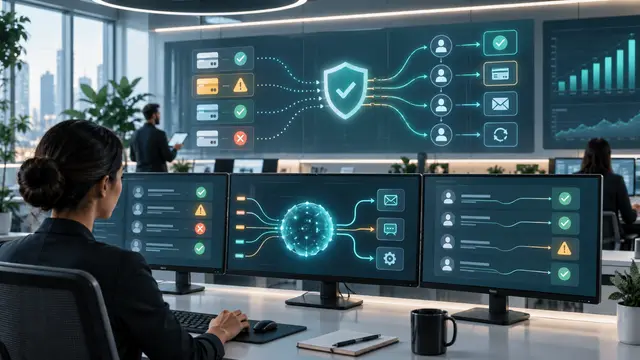
An AI-assisted proof of delivery workflow changes the timing of that review. Instead of waiting for disputes, the business can inspect delivery evidence while the transaction is still fresh. AI can read delivery notes, classify exceptions, compare timestamps, flag missing signatures, spot photos that do not match the expected stop, and summarize what a billing clerk or account manager should review. The point is not to let AI decide whether a customer should be billed. The point is to gather the evidence, highlight weak spots, and make the human review faster and more consistent.
For a growing business, this type of workflow is valuable because proof of delivery problems rarely arrive as one dramatic failure. They arrive as dozens of tiny interruptions. A customer service representative hunts for a receipt. A billing specialist pauses an invoice. A warehouse manager looks up route details. A salesperson steps into an avoidable question because the customer trusts them more than the accounting inbox. Each interruption feels manageable, but together they slow cash collection and make the company look less coordinated than it actually is.
A practical proof of delivery automation begins with a simple question: what would we want to know before billing if a customer challenged this invoice tomorrow? That question turns scattered evidence into a review checklist. Was the delivery completed at the right location? Was the accepted quantity consistent with the order? Was there damage, shortage, substitution, or refusal language in the notes? Was a required customer contact present? Were attachments uploaded within the expected time window? Did the invoice include anything that delivery evidence does not support? AI is useful because it can scan unstructured evidence quickly and turn it into a focused review queue.
The better teams treat proof review as part of fulfillment closeout, not as an accounting rescue step. That shift matters because people remember exceptions best while the work is still recent. Drivers can explain unusual receiving conditions. Field technicians can clarify whether a photo shows completed work or a temporary workaround. Dispatch can confirm why a delivery moved to a different entrance or contact. Billing can see the full story before the invoice becomes a customer-facing claim. AI gives the process memory, structure, and speed.
Why It Matters for Businesses
The business impact is bigger than invoice accuracy. A strong proof of delivery review protects revenue without forcing every transaction into a slow manual audit. It lets teams reserve attention for the orders that need judgment. That matters because most delivered orders are routine. The expensive work is hidden in the exceptions: missing attachments, mismatched quantities, unclear service notes, unsigned delivery confirmations, incomplete job closeout comments, and charges that depend on field conditions. When those exceptions are found early, the company can correct the invoice, add context, contact the customer proactively, or collect missing evidence before memories fade.
AI also reduces the emotional cost of billing questions. Customers rarely enjoy asking for proof after an invoice arrives. Even when the business is correct, the exchange can feel defensive. A proactive workflow gives the team a cleaner answer. Instead of saying, we will look into it, the account owner can say that the delivery record, timestamp, completion note, and quantity check were reviewed before billing. That confidence improves the conversation. It also reduces the number of internal handoffs needed to answer simple questions.
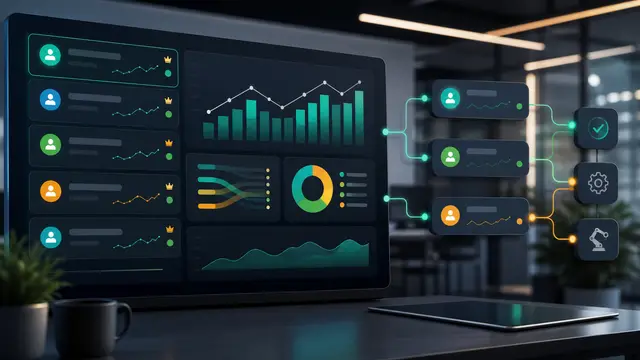
For leadership, the workflow creates better visibility into process quality. Repeated proof issues may reveal a training problem, a carrier problem, a mobile app adoption problem, or a gap between operations and finance. A dashboard can show which branches have the highest missing-signature rate, which routes produce repeated photo issues, which products are most likely to have quantity discrepancies, and which customers need clearer receiving procedures. That turns proof of delivery from a document hunt into an operating signal.
ROI can be measured in concrete terms. Track invoice holds caused by missing delivery evidence. Track credit memos tied to delivery disputes. Track average time to answer a proof request. Track days sales outstanding for orders with delivery exceptions versus orders cleared through the workflow. Track how often the automation prevents an invoice from being sent with weak support. These are not vanity metrics. They connect the workflow to cash, customer trust, and staff capacity.
There is also a governance benefit. When a customer asks why something was billed, the business can show a consistent review record instead of a series of improvised explanations. That record can include the files reviewed, exception flags, human decisions, and corrections made before release. Consistency matters when the same issue appears across branches, customers, or delivery partners. It helps managers coach teams on process quality instead of debating one invoice at a time.
The Practical Automation Opportunity
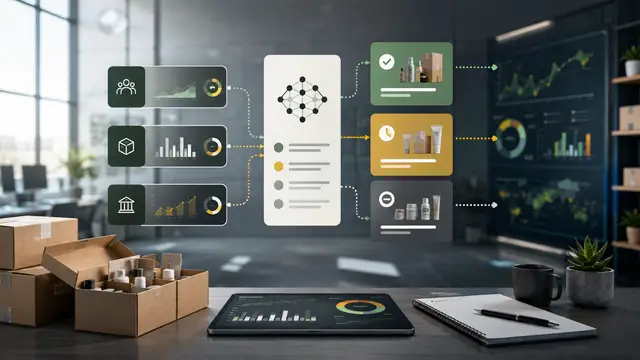
The most reliable version of this automation starts with intake, not with a large AI model guessing at everything. Connect the workflow to the systems where proof already lives: delivery management, field service, warehouse management, email attachments, customer portals, and the billing platform. For each completed order or job, the automation gathers the relevant artifacts into one review packet. AI reads the text fields, labels the attachments, summarizes the evidence, and assigns a confidence level based on the companys rules.
Useful checks include: Missing required signature or receiver name. Quantity accepted does not match quantity billed. Delivery location appears inconsistent with the customer record. Field notes mention damage, shortage, access issue, return, refusal, or follow-up. Service completion notes are too thin to support a labor or trip charge. Attachments are present but low quality or unrelated. Delivery timestamp falls outside the expected service window. Invoice line items include fees that require supporting notes. The automation should not bury these checks inside a black box. Each flag should show the evidence that triggered it.
The review queue should be organized by business consequence. A missing photo on a low-value routine order may need a same-day reminder to the driver. A quantity mismatch on a strategic account may need account manager review before billing. A service note mentioning unresolved work should pause the invoice until the dispatcher confirms next steps. AI can classify the issue, but the workflow should map each issue to a clear owner and deadline. That is where automation becomes operating discipline rather than another alert channel.
Human approval remains important. The best pattern is a tiered process. Clean transactions are marked ready for billing with an audit trail. Low-risk gaps create automatic reminders or evidence requests. Medium-risk gaps go to billing or operations for review. High-risk gaps route to the account owner before the invoice is released. The system should record who reviewed the exception, what decision was made, and what evidence supported the decision. This record helps with later customer questions and with internal coaching.
Implementation can start small. Pick one region, one delivery type, or one service line with frequent billing questions. Define the top ten proof gaps. Build a packet that includes order details, delivery artifacts, notes, and proposed invoice lines. Use AI to summarize and flag exceptions, then have a human reviewer accept, correct, or escalate. After thirty days, review which flags were useful, which were noisy, and which customer questions still slipped through. Improve the rules before expanding.
A mature workflow can add learning without losing control. When reviewers repeatedly override a flag, inspect whether the rule is too strict or whether the source data needs better formatting. When customers still dispute invoices after the review, add the missing evidence pattern to the checklist. When one route, technician, branch, or carrier produces more exceptions than peers, treat that pattern as a coaching opportunity. AI should make those patterns visible, but leaders should decide which operating change follows.
Business Takeaway
Proof of delivery automation is not only about proving that work happened. It is about making billing feel like a continuation of good operations instead of a separate paperwork event. When AI reviews evidence before invoices leave the business, teams spend less time reconstructing history and more time resolving the exceptions that actually matter. The workflow protects cash flow, reduces avoidable disputes, and gives customer-facing teams better facts when questions arise. Start with the proof gaps that cause the most rework, build a review queue around them, and measure the improvement in invoice holds, response time, and credit memo reduction. That is a practical use of AI because it improves a real business moment where accuracy, speed, and trust all count.