What Happened
Vendor price increases rarely arrive at a convenient time. A supplier sends a notice before a renewal date, a distributor changes a discount schedule, a manufacturer updates freight charges, or a partner announces a new minimum order requirement. The message may land in procurement, operations, accounting, or a managers inbox. If the business does not review the change quickly and consistently, margin leakage can appear before anyone understands the impact. Quotes may use outdated costs. Existing contracts may become less profitable. Sales may discount without knowing the new floor. Finance may see the effect only after monthly results look weaker than expected.
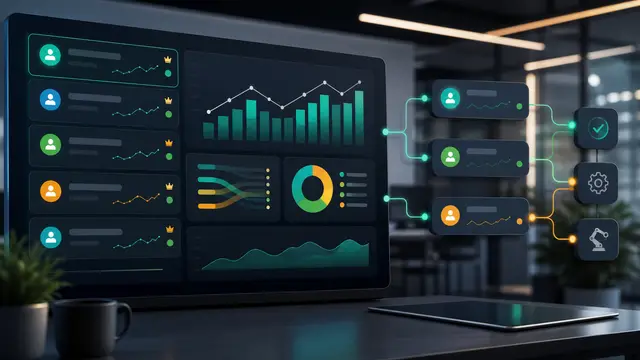
An AI-assisted vendor price increase workflow gives businesses a controlled way to evaluate cost changes before they spread through pricing, purchasing, quoting, and customer commitments. The workflow reads supplier notices, extracts affected products or services, compares them with purchase history, identifies open quotes or contracts at risk, and routes decisions to the right people. AI does not decide whether a supplier increase is justified. It helps the business understand what changed, who is affected, and what actions must happen before margin is damaged.
This is especially important because vendor notices are often unstructured. Some arrive as PDFs. Some are embedded in email threads. Some include tables, exceptions, effective dates, freight terms, or temporary surcharges. Others are vague and require follow-up. A busy team can miss the operational meaning because the notice looks administrative. AI can turn that notice into a review packet that procurement, finance, sales, and operations can act on together.
The goal is not to create a slow approval committee for every supplier communication. The goal is to separate routine updates from changes that matter. A small increase on a rarely purchased item may only require catalog maintenance. A larger increase on a core product line may require quote review, customer communication, price book updates, contract analysis, and margin guardrails. A good workflow makes that distinction quickly.
The workflow also prevents price changes from living only in individual inboxes. When a supplier notice becomes a structured record, the business can see it, assign it, and track it. That is a major improvement over relying on one person to remember which catalog, quote, or contract needs attention.
Why It Matters for Businesses
Margin protection depends on timing. Once outdated costs enter quotes, proposals, subscriptions, work orders, or customer renewals, the business may have to absorb the gap or renegotiate under pressure. Neither outcome is ideal. Early review gives teams room to decide whether to pass through the increase, negotiate with the supplier, find alternatives, adjust customer pricing, update bundles, or change purchasing behavior. AI improves the timing by shortening the path from notice received to business impact understood.
The workflow also improves coordination. Vendor increases often touch teams that do not share one system of record. Procurement sees supplier terms. Finance sees margin and cash impact. Sales sees customer commitments. Operations sees inventory and service capacity. Without a shared review process, each team may make a partial decision. AI can assemble the context into one packet: the notice, affected items, historical spend, customer exposure, open quotes, active contracts, inventory position, and recommended decision points.
Leadership gains a better view of supplier risk. Repeated increases from one vendor may signal negotiation pressure, sourcing risk, or a need to diversify. Frequent emergency price updates may reveal that catalog maintenance is too manual. Margin erosion in one service line may show that vendor costs are moving faster than customer pricing governance. These insights are difficult to see when price changes are handled as isolated emails.
The return on the workflow can be measured clearly. Track the number of vendor increases reviewed before effective date. Track open quotes corrected before submission. Track customer contracts flagged for margin review. Track gross margin variance tied to supplier cost changes. Track supplier notices that required clarification. Track the cycle time from notice receipt to price book update. These measures connect the automation to margin, speed, and control.
The workflow also supports fairer customer communication. If the company needs to adjust pricing, account teams can explain the change with evidence and timing rather than surprise. If the company chooses to absorb a cost temporarily, leaders can record that decision and revisit it. Either path is better than discovering months later that a supplier increase quietly consumed profit.
The Practical Automation Opportunity
The workflow should start with an intake mailbox or document drop for supplier notices. AI reads each message and extracts supplier name, effective date, affected product lines, percentage or dollar change, freight or surcharge changes, exceptions, required action, and confidence level. If the notice is unclear, the workflow should flag missing information rather than invent it. Procurement can then request clarification from the supplier with a prepared question list.
Next, connect the notice to internal data. Match affected items to item masters, purchase orders, supplier catalogs, inventory records, open quotes, recurring customer agreements, and current price books. This matching will not be perfect at first because supplier naming and item descriptions are messy. That is why the workflow should show match confidence and allow human correction. Every correction improves the mapping for the next notice.
Prioritization should be based on exposure. Useful signals include annual spend with the vendor, sales volume of affected items, open quote value, number of active customer contracts, inventory on hand, substitute availability, and margin sensitivity. A ten percent increase on a niche item may be less urgent than a three percent increase on a high-volume component. AI can help calculate and explain this context so reviewers focus where the business is most exposed.
Routing should be explicit. Procurement reviews supplier validity and negotiation options. Finance reviews margin impact. Sales operations reviews quote and price book changes. Account owners review customer communication when commitments are affected. Operations reviews inventory and substitution planning. The workflow should create tasks with owners and deadlines based on the effective date. A price increase discovered after the effective date should automatically receive higher urgency.
The final decision should be recorded. The business may accept the increase, negotiate, delay purchasing, update customer pricing, change preferred vendors, or create a temporary exception. Each decision should include the reason, impacted records, approval owner, and follow-up date. That record prevents the same debate from happening again when the invoice arrives or when a salesperson asks why a quote changed.
Start with your top twenty suppliers or the categories where margin pressure is most visible. Do not try to automate every obscure notice on day one. Build the workflow around the suppliers and cost categories that create the most commercial risk. After two or three cycles, review the flags that saved time, the notices that were missed, and the decisions that still happened outside the process. Then expand the scope.
Businesses should also use the workflow to distinguish temporary charges from structural cost changes. A short-term freight surcharge may call for a different response than a permanent base-cost increase. A supplier minimum order change may affect working capital more than unit margin. A packaging fee may matter only for certain customers or routes. AI can extract the shape of the change and prompt reviewers to select the right response. That prevents teams from treating every supplier notice as the same kind of pricing problem.
The review should include customer promise exposure. Open quotes, long-term agreements, renewal offers, service bundles, and pending proposals all represent commitments that may have been built on old assumptions. If the workflow can identify which customer records are exposed, sales leaders can decide whether to honor existing pricing, update the quote, explain a change, or negotiate with the supplier. This turns vendor communication into a controlled decision before it becomes a margin surprise.
A useful governance step is to set expiration dates for decisions. If the company chooses to absorb an increase for ninety days, the workflow should create a follow-up task before that period ends. If procurement expects a supplier negotiation, the system should track the negotiation deadline. If sales receives a temporary exception, it should not become permanent by accident. AI can help by watching for decisions that require future review and by reminding owners when the business needs to revisit them.
Business Takeaway
Vendor price increases are not just procurement paperwork. They are early warnings that can affect quoting, contracts, customer trust, and profitability. AI gives businesses a practical way to read supplier notices quickly, connect them to internal exposure, and route the right decisions before outdated costs spread. The workflow should be transparent, evidence-based, and connected to price book maintenance. When it works, finance sees fewer margin surprises, sales gets clearer guardrails, procurement has better negotiation context, and customers receive more consistent communication. Start with the vendors that matter most, measure avoided leakage, and treat every supplier notice as a chance to protect margin before it becomes a monthly variance explanation.